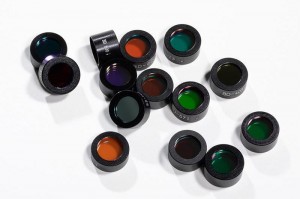
Narrow band pass interference filters
Narrow band pass interference filters allow a specific band of light signals to pass, with a pass band that is narrow relative to the centre wavelength. In practical terms, they isolate a wanted slice of the spectrum and reject light outside that slice. That job suits instruments and systems that work with one band at a time, where neighbouring bands would otherwise interfere with the measurement or the image. This page describes the category and the inquiry checklist. It does not publish a centre wavelength table or a bandwidth table for this line, because no deep specification page has been documented for narrow band pass filters.
What defines this category
The defining idea is selectivity: a narrow pass band, with rejection outside it. The documented category description states that the pass band is generally narrow, and the category name itself carries the key distinction from broader band pass products and from cut-off products. Buyers sometimes confuse narrow band pass filters with short pass filters, because both shape a spectrum. The difference is the shape: a narrow band pass filter passes a band and rejects on both sides of it, while a short pass filter, described on the short pass filters page, reflects the short wave region and transmits the long wave region. The narrow band pass versus short pass guide compares the two families at category level.
What to confirm in your inquiry
Please confirm the following items in your inquiry before ordering: the centre wavelength or wavelength band you need; the bandwidth or pass band behaviour you need; the cut-off depth or rejection behaviour you need outside the band; the size and shape you need; the substrate material if it matters; and the quantity basis and delivery basis for your order. Stating those items lets the supplier check the requirement instead of guessing it. For the wider filter family, see interference filters and optical filter types. For selection concepts, see the interference filter guide.